.tmb-1920v.jpeg?sfvrsn=826d7380_1)
Preventing and Responding to Sexual Exploitation, Abuse and Harassment
Tackling all forms of sexual misconduct
Sexual misconduct—including sexual exploitation, sexual abuse, sexual harassment (SEAH), and sexual violence—by our personnel violates the rights, dignity, and well‑being of the people we serve and the people we work with. It stands in direct contradiction to WHO’s values and our fundamental responsibility to do no harm.
Sexual exploitation and abuse (SEA) affecting the populations we serve, and sexual harassment (SH) within our workforce, arise from the same power imbalances, inequalities, and risk factors. Addressing them together strengthens prevention and response. Using the umbrella term sexual misconduct makes clear that such acts are prohibited for all members of the WHO workforce and result in disciplinary action.
WHO has zero tolerance for any form of sexual misconduct—zero tolerance for inaction, and zero tolerance for retaliation against those who report concerns or bear witness. Our approach puts the rights, needs, and safety of victims and survivors first.
In 2021, following the deeply distressing accounts of sexual exploitation and abuse during the 10th Ebola outbreak in the Democratic Republic of the Congo, WHO undertook an intensive period of reforms and action. Building on the progress made since then, WHO’s strategic framework for this work is set out in the Zero Tolerance in Practice: WHO Strategy to Prevent and Respond to Sexual Misconduct 2026–2029, which translates commitment into concrete accountability, prevention, and action across the Organization.
Sexual exploitation
Sexual exploitation is any actual or attempted abuse of a position of vulnerability, differential power, or trust, for sexual purposes, including threatening or profiting monetarily, socially or politically
from the sexual exploitation of another.
Sexual abuse
Sexual abuse is the actual or threatened physical intrusion of a sexual nature, whether by force or under unequal or coercive conditions. Sexual exploitation and abuse includes sexual relations with a child
(18-years-old or younger), in any context.
Sexual harassment
Sexual harassment refers to prohibited conduct in the work context and can be committed against UN staff and related personnel. In context of the United Nations, sexual harassment primarily describes
prohibited behaviour against another UN staff or related personnel, which may also include nationals of the host state. It is defined for UN staff by ST/SGB/2008/5 and similar directives for uniformed personnel and involves any unwelcome
sexual advance, request for sexual favour, verbal or physical conduct or gesture of a sexual nature, or any other behaviour of a sexual nature that might reasonably be expected or be perceived to cause offence or humiliation to another,
when such conduct interferes with work, is made a condition of employment or creates an intimidating, hostile or offensive work environment.
Source: The United Nations Glossary on Sexual Exploitation and Abuse
PRS Stocktaking Exercise – Final report and annexes
Prevention and response to sexual misconduct: WHO stakeholder review conference 2023
A75/29 Prevention of sexual exploitation, abuse and harassment Report by the Director-General
EB150/33 Prevention of sexual exploitation, abuse and harassment Report by the Director-General
EB150/34 Report of the IOAC for the WHO Health Emergencies Programme’s Subcommittee for the Prevention and Response to Sexual Exploitation, Abuse and Harassment
Final Report of the Independent Commission
A74/51 External and internal audit recommendations: progress on implementation
EB 148/4 Preventing sexual exploitation, abuse, and harassment 21 May 2021
A74/34 Report of the External Auditor 17 May 2021
Senior PSEA Technical Support Mission to the Democratic Republic of the Congo
CEB Statement on Addressing Sexual Harassment within the Organizations of the UN System
WHO's Secretariat
2025 stakeholders review conference report
Prevention and response to sexual misconduct: WHO second Stakeholder Review Conference 2024
Prevention and response to sexual misconduct: WHO stakeholder review conference 2023
WHO’s Governing Bodies related
EB158/33 Prevention of sexual exploitation, abuse and harassment Report by the Director-General
EB156/28 Prevention of sexual exploitation, abuse and harassment Report by the Director-General
EB154/30 Prevention of sexual exploitation, abuse and harassment Report by the Director-General
EB152/31 Prevention of sexual exploitation, abuse and harassment Report by the Director-General
A75/29 Prevention of sexual exploitation, abuse and harassment Report by the Director-General
EB150/33 Prevention of sexual exploitation, abuse and harassment Report by the Director-General
A74/51 External and internal audit recommendations: progress on implementation
EB148/4 Preventing sexual exploitation, abuse, and harassment 21 May 2021
A74/34 Report of the External Auditor 17 May 2021
Others
PRS Stocktacking Exercise – Final report and annexes
IASC Minimum Operating Standards
Final Report of the Independent Commission
Senior PSEA Technical Support Mission to the Democratic Republic of the Congo
CEB Statement on Addressing Sexual Harassment within the Organizations of the UN System
Resources
All →

Prevention of and Response to Sexual Misconduct: WHO third Stakeholder Review Conference 2025
WHO convened the third Stakeholders Review Conference on the Prevention and Response to Sexual Misconduct on 3rd December 2025 in Geneva, Switzerland....
Prevention and response to sexual misconduct: WHO second Stakeholder Review Conference 2024
WHO convened the second Stakeholders Review Conference on the Prevention and Response to Sexual Misconduct on 3–4 December 2024 in Geneva, Switzerland....
WHO technical consultation on evidence-informed decision-making for prevention of and response to sexual...
On 18–19 April 2024, WHO convened a two-day, multistakeholder technical consultation to intensify efforts to establish the evidence needed to inform...
Prevention and response to sexual misconduct: WHO stakeholder review conference 2023
At the end of 2023, WHO convened our first-ever annual WHO Stakeholder Review Conference for Prevention and Response to Sexual Misconduct. Aimed at joint...
WHO management response to preventing and responding to sexual exploitation, abuse and harassment: report...
WHO developed its Management Response Plan (MRP) in October 2021 building on the recommendations of the Independent Commission on Allegations of Sexual...
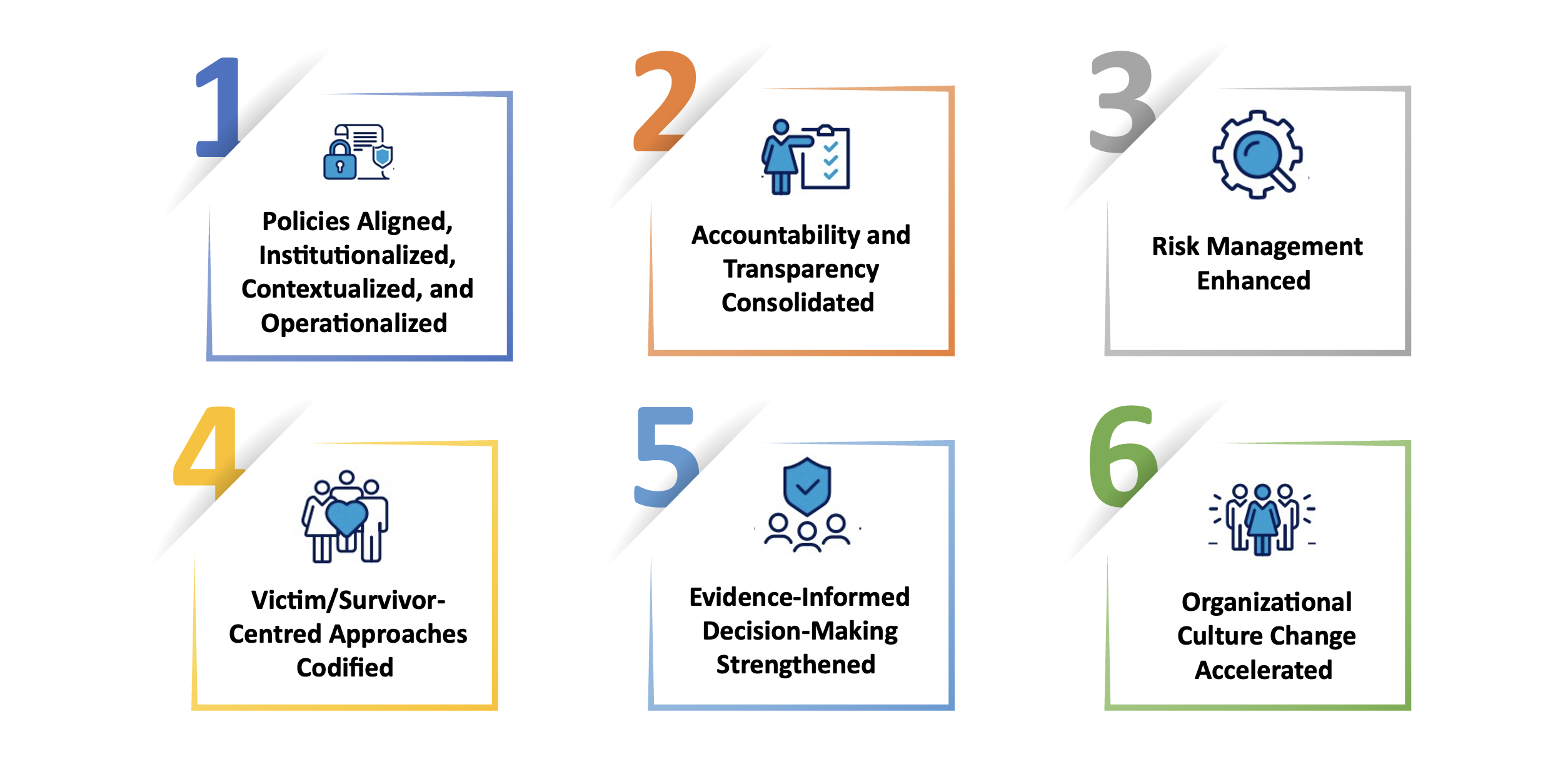
During 2026-2029, together with UN, partners and national governments we will focus on:

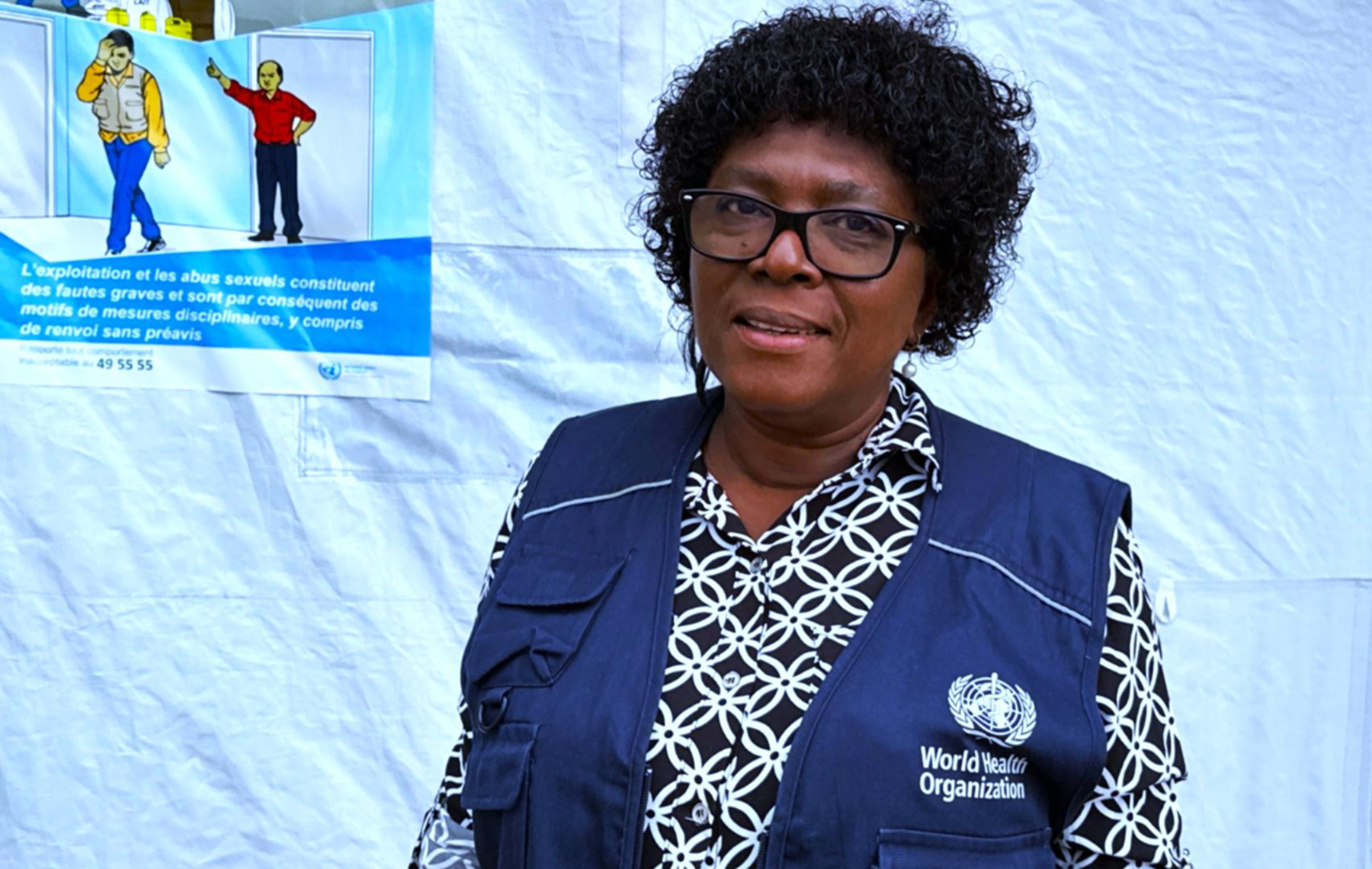
/countries/thailand/moph-and-wco-tha-in-prs-workshopb63ceac4-8548-44b4-9a44-5aab56e240e9.jpg?sfvrsn=7c0e256f_4 "MoPH and WCO THA in PRS workshop")
Multimedia
All →

Learning and training
Newsletters
Newsletter #9: WHO prevention of and response to sexual misconduct – 30 November 2023
Newsletter #8: WHO prevention of and response to sexual misconduct – 16 October 2023
Newsletter #7: WHO prevention of and response to sexual misconduct – 3 August 2023
Newsletter #6: WHO prevention of and response to sexual misconduct – 3 July 2023
Newsletter #5: WHO prevention of and response to sexual misconduct – 1 June 2023
Newsletter #4: WHO prevention of and response to sexual misconduct – 1 May 2023
Newsletter #3: Prevent and respond to sexual exploitation, abuse and harassment – 30 September 2021
Newsletter #2: Prevent and respond to sexual exploitation, abuse and harassment – 31 August 2021
Newsletter #1: Prevent and respond to sexual exploitation, abuse and harassment – 31 July 2021